PRO QUALITY CAR CARE MADE EASY
Join millions of car enthusiasts and professionals globally who trust our cutting-edge.
easy-to-use car care products to protect,restore,and enhance their vehicles.

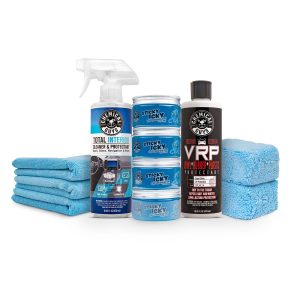
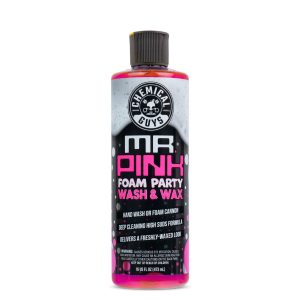
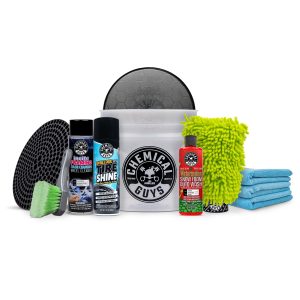
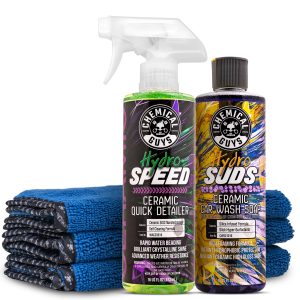
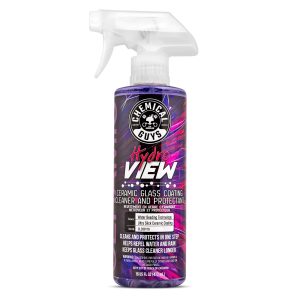
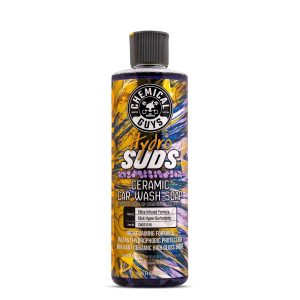
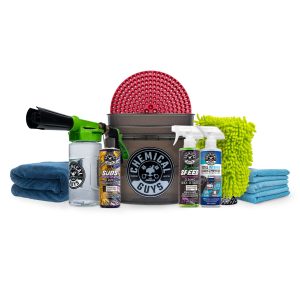
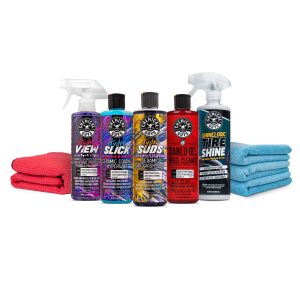
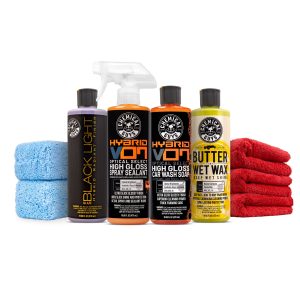
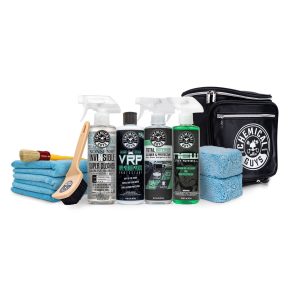
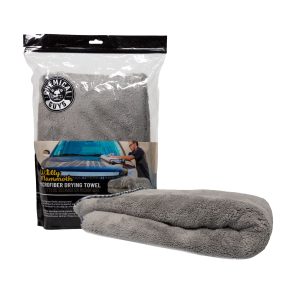
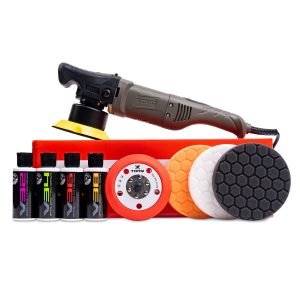
Once a vehicle is washed, the paint may still feel rough to the touch. This roughness is caused by bonded contaminants that standard soap cannot remove. Furthermore, the paint may have dullness caused by microscopic scratches. Addressing these issues requires a transition from washing supplies to decontamination and protection products. This advanced stage of detailing makes the difference between a clean car and a show-car finish.
Decontamination Supplies
The first step in this phase is mechanical decontamination using a clay bar. A clay bar is a pliable, synthetic resin compound. When rubbed over a lubricated surface, it shears off embedded contaminants like industrial fallout, rail dust, and tree sap. For the clay bar to work safely, a “clay lubricant” is essential to prevent the clay itself from marring the paint.
Chemical decontamination is also popular, specifically using iron fallout removers. These sprays react with ferrous particles (iron) embedded in the paint, often turning purple upon contact. This chemical reaction dissolves the iron particles, allowing them to be rinsed away.
Polishing Compounds and Pads
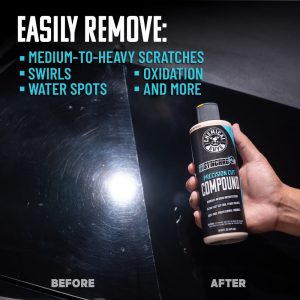
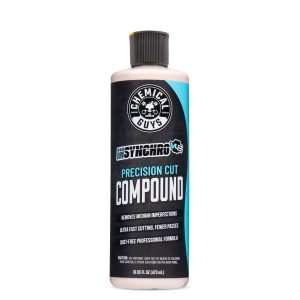
If the paint has swirl marks or oxidation, polishing is required. This involves using an abrasive liquid compound. Compounds come in varying grades, from heavy cutting compounds designed to remove deep scratches, to fine finishing polishes designed to maximize gloss. These are typically applied using a machine polisher equipped with foam or microfiber pads. The pad and the liquid work together to level the clear coat microscopically, creating a flat surface that reflects light perfectly.
The Hierarchy of Protection
After the paint is smooth and defect-free, it must be protected. There are three main categories of protection products, each with unique characteristics:
Carnauba Wax: Derived from natural palm leaves, this is the traditional choice. It offers a warm, deep glow that enthusiasts love. However, its durability is low, typically lasting only a few weeks to a couple of months.
Synthetic Sealants: These are man-made liquid polymers. They bond tightly to the paint and offer better durability than wax, often lasting four to six months. They provide a glassy, sharp reflection.
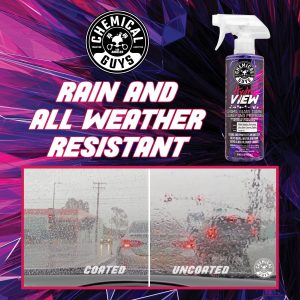
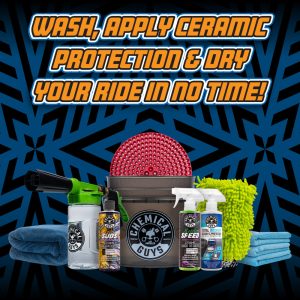
Ceramic Coatings: The pinnacle of modern protection. These are liquid polymers containing silica (SiO2). When applied, they chemically bond to the paint, forming a semi-permanent hard shell. Ceramic coatings offer extreme hydrophobicity (water repellency), high chemical resistance, and can last for years.
Maintenance of Protection
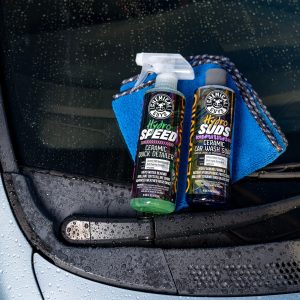
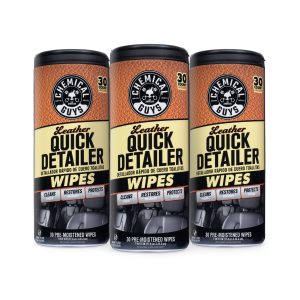
Regardless of the protection chosen, maintenance sprays are useful. “Quick Detailers” or “Spray Waxes” are used after a wash to boost the gloss and top up the protection layer. They act as a sacrificial barrier, extending the life of the underlying wax, sealant, or coating. Understanding the interaction between these abrasives and protectants is key to achieving a mirror-like finish.